
Need a Mood Boost? Eat This.
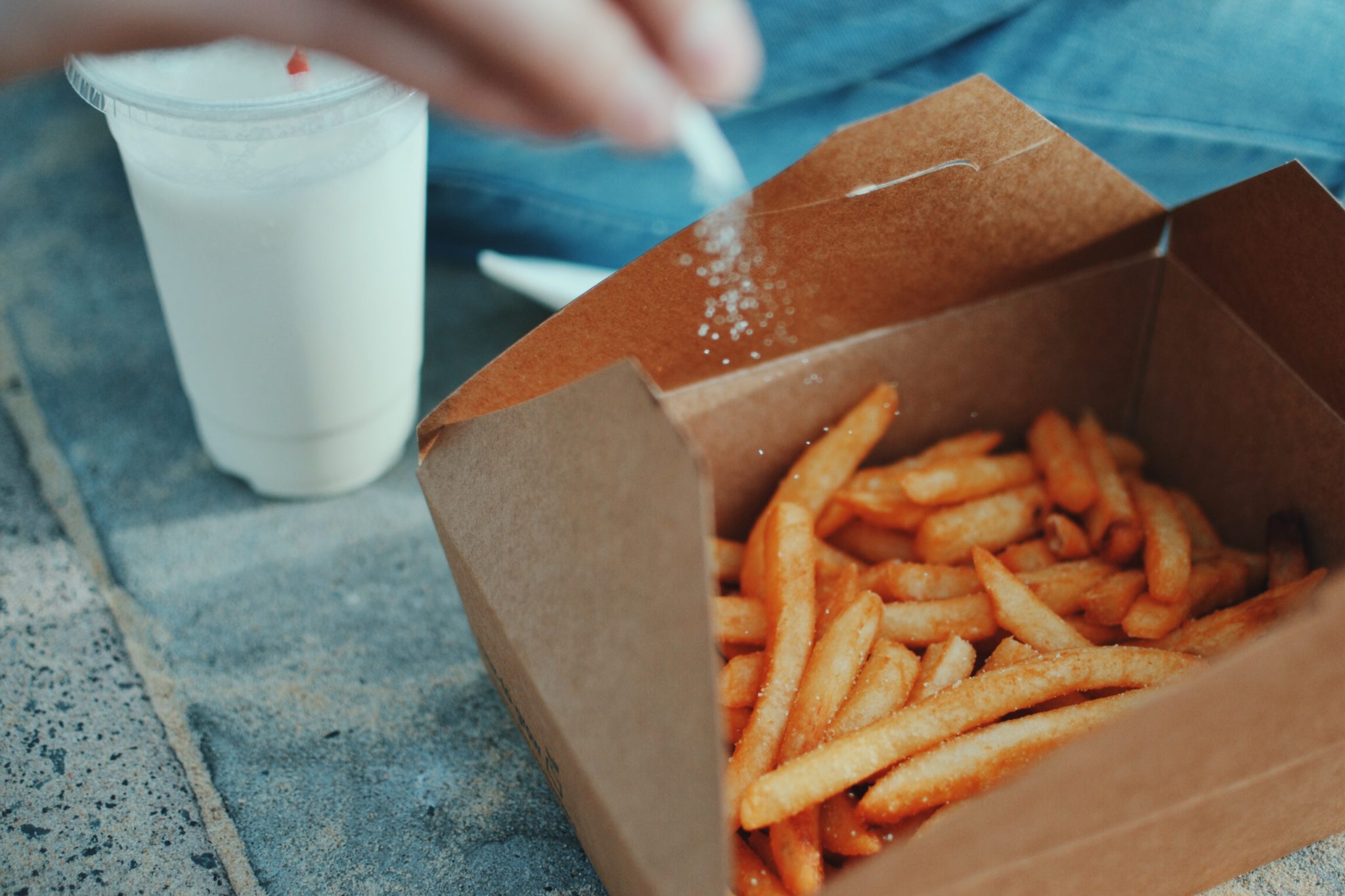
No question that what you eat affects how you feel, right?
Yes. The answer is YES.
And it’s not just anecdotal evidence from how bloated, tired, and cranky you feel Monday morning after a weekend of pizza, drinking, and donuts.
Mental health and brain health are complex. So are the foods we eat, and the ways our bodies interact with those foods.
While we don't know the exact mechanisms behind how food and nutrition help, we do know a few ways that food impacts our moods.
First, what we eat becomes the raw materials for our neurotransmitters. Neurotransmitters are the biochemical messengers that allow our nerve cells to communicate.
They are important not just for thinking and memory, but also for mental health (think serotonin and dopamine). In fact, it’s estimated that 90% of the body’s serotonin is produced in the gut!
Second, what we eat affects our blood sugar. Having unstable blood sugar levels can contribute to a whole host of unpleasant symptoms I’m sure you’ve experienced one time or another such as feeling hangry, light-headed, foggy, crabby, exhausted, and irritable.
These same symptoms that are present long-term sound a lot like mood swings, depression, and anxiety – no?
So let’s talk about mood-boosting and mood-busting foods.
Mood-boosting foods
Some nutrient deficiencies look like mental health problems; this includes deficiencies in B-vitamins, vitamin D, and the mineral selenium. So, getting enough vitamins, minerals, (and other things like antioxidants) are key.
These nutrients not only reduce inflammation but also fuel the biochemical reactions in our bodies, including those that create neurotransmitters.
So make sure you're eating a variety of nutrient-dense whole foods, especially fresh fruits and vegetables. In fact, studies show that people who eat the most fruits and vegetables are the happiest. Also pay special attention to vitamin D (the sunshine vitamin), as it’s not naturally occurring in many foods. Selenium is an essential mineral found in Brazil nuts, walnuts, cod, and poultry. Try to add some of those to your weekly diet.
Second, make sure you get enough protein. Protein is your body's main supply of amino acids. Amino acids are very important for mood issues because they are the building blocks of neurotransmitters.
Protein also helps to regulate blood sugar. I recommend eating protein with every meal. Don’t worry, protein doesn’t have to mean hamburgers and red meat 3x/day – it includes dark green leafy vegetables, eggs, poultry, and fish too.
Third, complex carbohydrates like sweet potato and quinoa are also great mood boosters. They allow better absorption of key amino acids like tryptophan. Tryptophan is used by your body to make serotonin (your “happy hormone”) and melatonin (your “sleepy” hormone). So, if you want to relax, make sure to have small serving with dinner.
Fourth, fish and other sources of omega-3 fatty acids (nuts, seeds, and algae) are also mood-boosting. Omega-3s are definitely “brain food” and may help to ease some symptoms.
FUN FACT: One study showed that giving one multi-vitamin and one omega-3 fish oil tablet per day to prison inmates reduced the incidence of violent behavior by 50%!
Last but not least, make sure you’re hydrated. Mild dehydration can cause mood issues as well. Unless you’re intentionally drinking water throughout the day, chances are you’re dehydrated.
Mood-busting foods
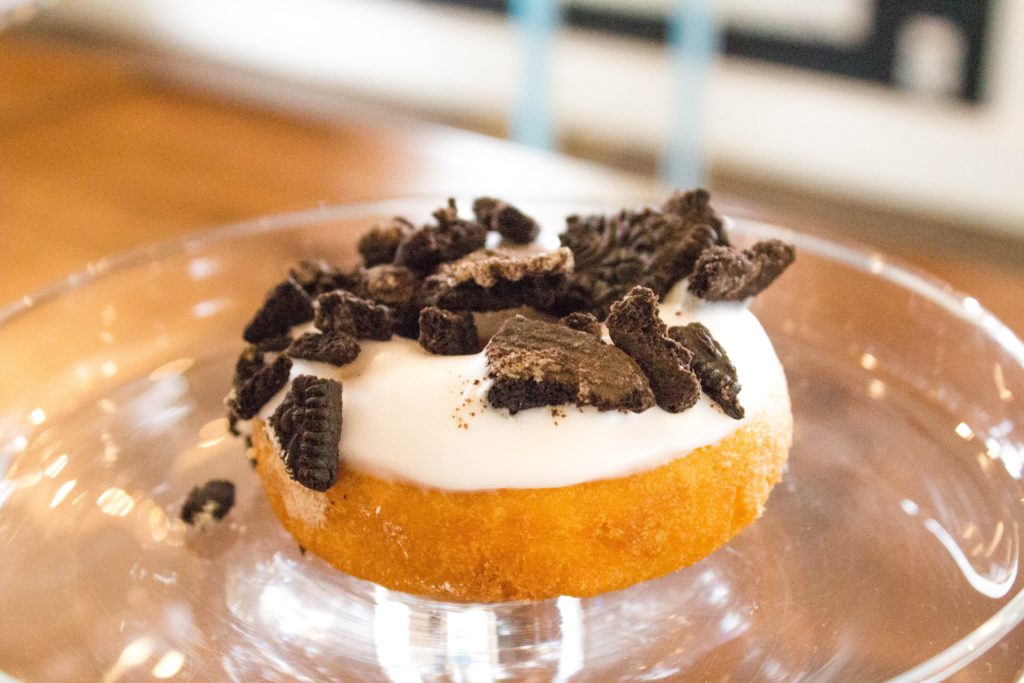
You won’t be surprised to hear me say processed foods are mood-busters, right? One study suggests that eating an abundance of processed foods devoid of nutrients can increase your chances of becoming depressed by as much as 60 percent! This is on top of the research that shows nutrient deficiencies can look like mental health problems.
“But it makes me feel good!”
Yes, some of these mood busters can make you feel better temporarily. Big food companies (whose goal is to get you to buy more and more of their food) study how to maximize the pleasure center responses in our brains with the perfect amount of sugar, salt, and fat. Not to mention the color, texture, and taste – they know exactly how to light up our taste buds and make us feel good… temporarily.
A few other things to avoid/consume in moderation are:
- Alcohol (nervous system depressant)
- Caffeine (may worsen anxious feelings and ability to sleep)
- Sugar (messes with your blood sugar and can worsen inflammation).
Bad moods can lead to bad eating habits; and, bad eating habits can lead to bad moods. If you need a mood boost, stick to minimally processed nutrient-dense whole foods. Things like fresh fruit and vegetables (including leafy greens), nuts and seeds, eggs, fish, poultry, and meat.
Even if the temptation is strong, avoiding common mood-busting foods like alcohol, caffeine, and sugar will give you more than a temporary mood boost – you’ll be setting yourself up to feel consistently energetic, calm and balanced, and present and clear.
To really understand what’s going on in your body, you have to pay attention to, you guessed it – your body!
I highly recommend keeping a Food-Mood journal. Keep it simple and throughout the day write down what you eat and when, rank your mood on a scale of 1-10 and note any symptoms.
Use this over time to identify any immediate reactions to food (e.g. a crash after something super sugary, feeling jittery and anxious from coffee etc.) as well as reactions over time (e.g. noticing that you’re sleeping better and waking up happier when eating less sugar).
Do you already know what foods affect your mood? Let us know in the comments!
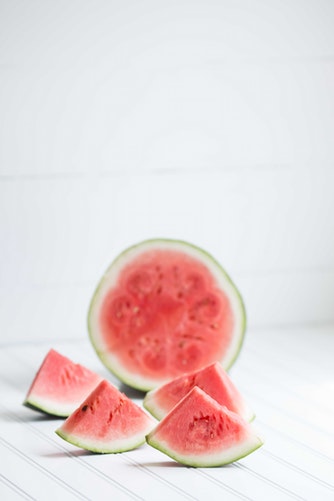
Recipe: Mood-Boosting Fruit Salad
Serves 6-8
1-2 cups watermelon, cubed
1-2 cups cantaloupe, cubed
1-2 cups blueberries, fresh
1-2 cups blackberries, fresh
1-2 cups green grapes
1-2 cups flaked coconut (no added sugar)
1 cup slivered almonds or other nuts
Instructions
Place fruit and nuts in a large bowl and gently toss.
Serve & enjoy!
Tip: Add in cottage cheese (or coconut yogurt if you don’t tolerate dairy) for an added protein boost.
References
http://www.precisionnutrition.com/food-and-mood
http://www.precisionnutrition.com/how-to-fight-depression-naturally-with-nutrition
https://nutritionfacts.org/video/foods-increase-happiness/